
İzmirian and Çeşme dessert (Çeşme tatlısı) culture is as rich and layered as their history, blending Ottoman, Sephardic, and Aegean influences into sweets that range from syrup-soaked classics to modern chocolate “bombs.” From the chewy, syrupy semolina of Şambali to the molten surprise of the İzmir Bombası, the bite-sized, golden dough balls of Lokma, and the heritage layers of Boyoz, each bite tells a story of migration, celebration, and local ingenuity. Add to this the unmistakable piney aroma of mastic-infused Sakızlı Muhallebi and Sakızlı Dondurma, and you have a dessert lineup that captures the very essence of Çeşme’s breezy, sunlit charm. These six treats are not just sweets, they’re edible souvenirs of the Aegean.
İzmir & Çeşme Desserts – Table of Contents
The Best Desserts in Çeşme, Alaçatı & İzmir – A Sweet Guide to Aegean Sweets
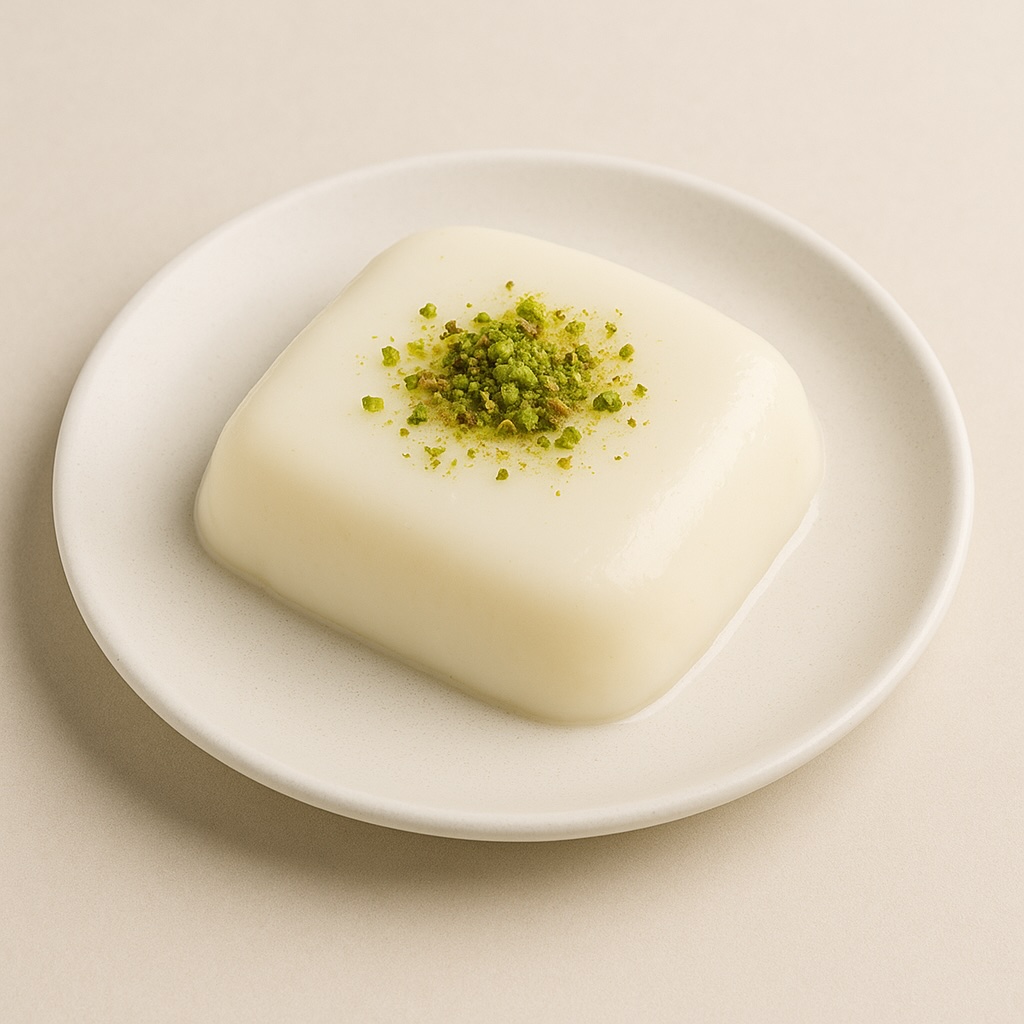
Sakızlı Muhallebi – Mastic Milk Pudding
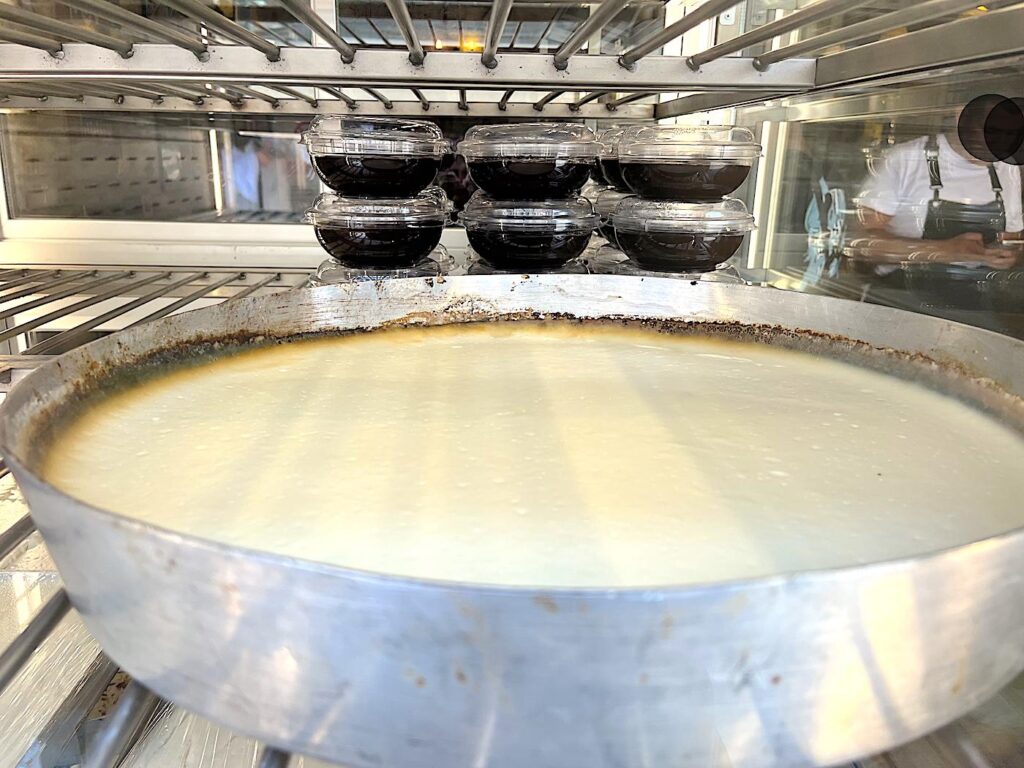
Sakızlı Muhallebi is a fragrant milk pudding infused with mastic (sakız), a resin harvested from mastic trees, particularly abundant on nearby Chios island. This Aegean speciality begins with simmering milk, sugar, and rice flour or starch until thickened, then adding ground mastic at just the right moment to release its piney, slightly sweet aroma. The result is a silky, snow-white pudding with an unmistakable, almost refreshing aftertaste.
In Çeşme and Alaçatı, Sakızlı Muhallebi is a summertime favourite, often served chilled in small glass bowls and topped with ground pistachios or cinnamon. The mastic’s unique flavour divides opinion, some find it addictive, others an acquired taste, but it undeniably evokes the breezy, herbal scents of the Aegean coast. For locals, it’s not just a dessert but an expression of regional identity, with recipes passed down in families and perfected over decades.
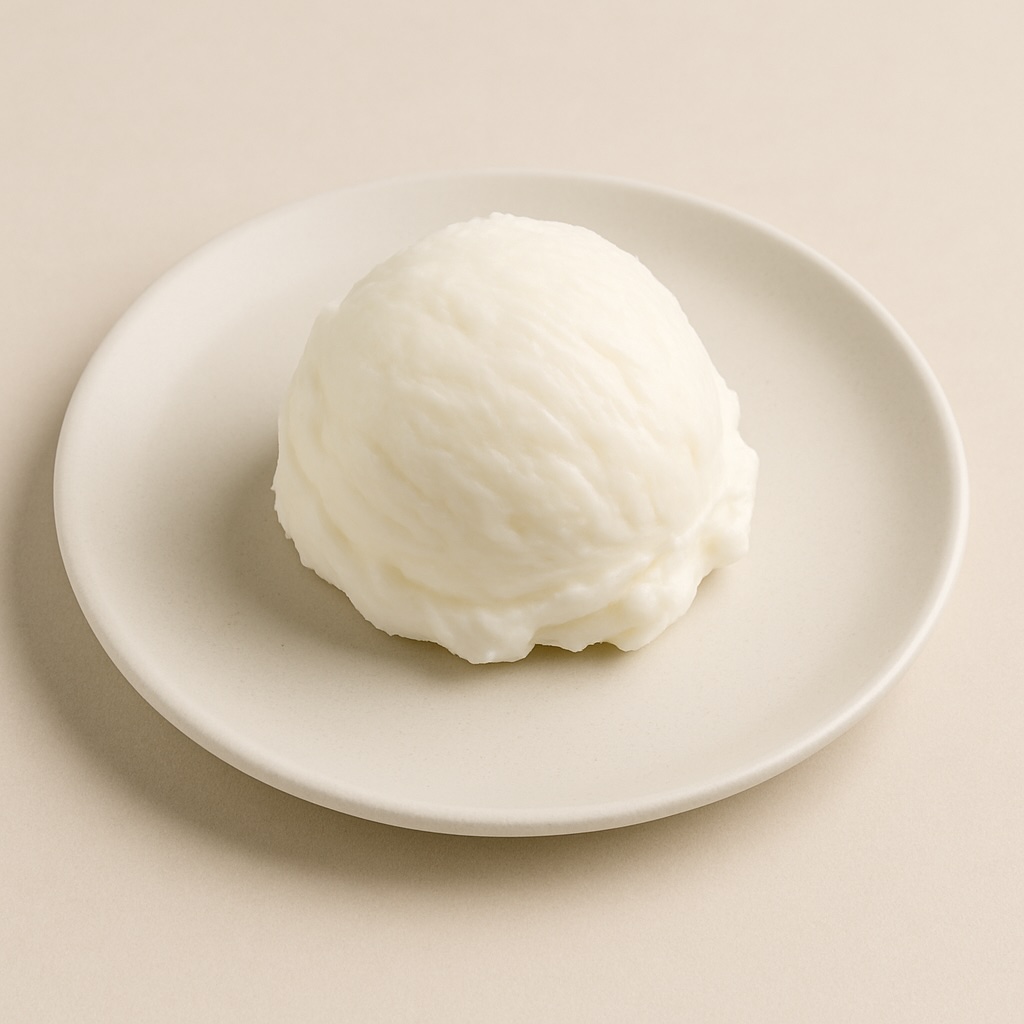
Sakızlı Dondurma – The Aegean Twist on Ice Cream from Çeşme
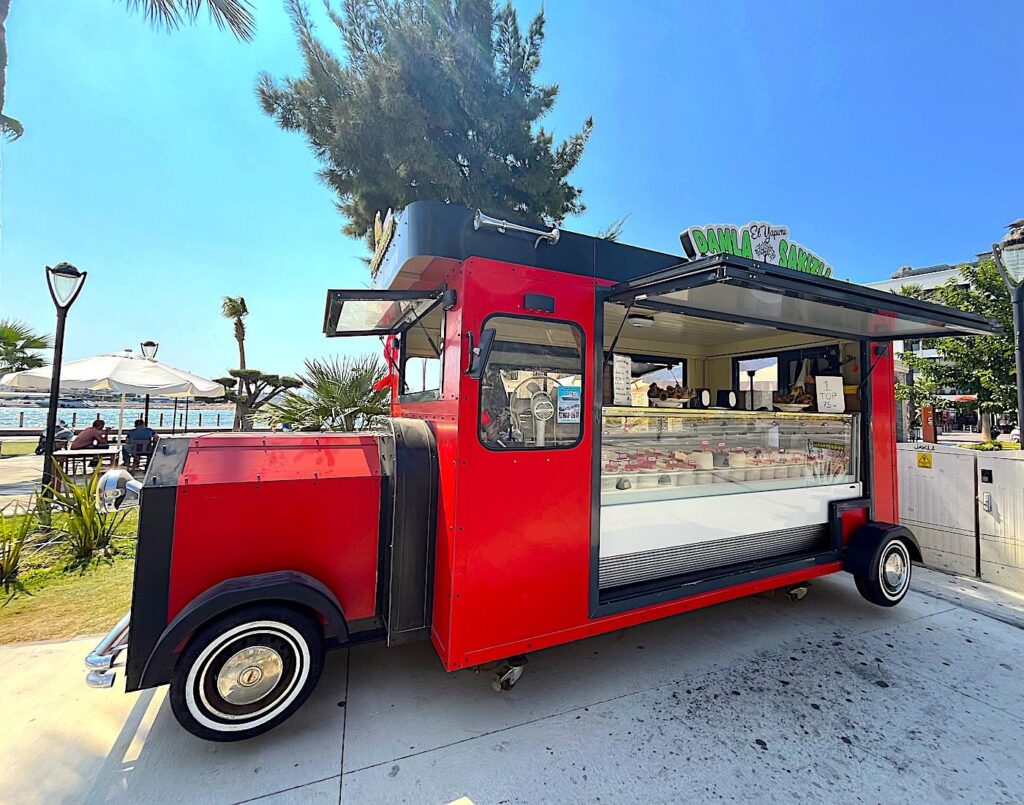
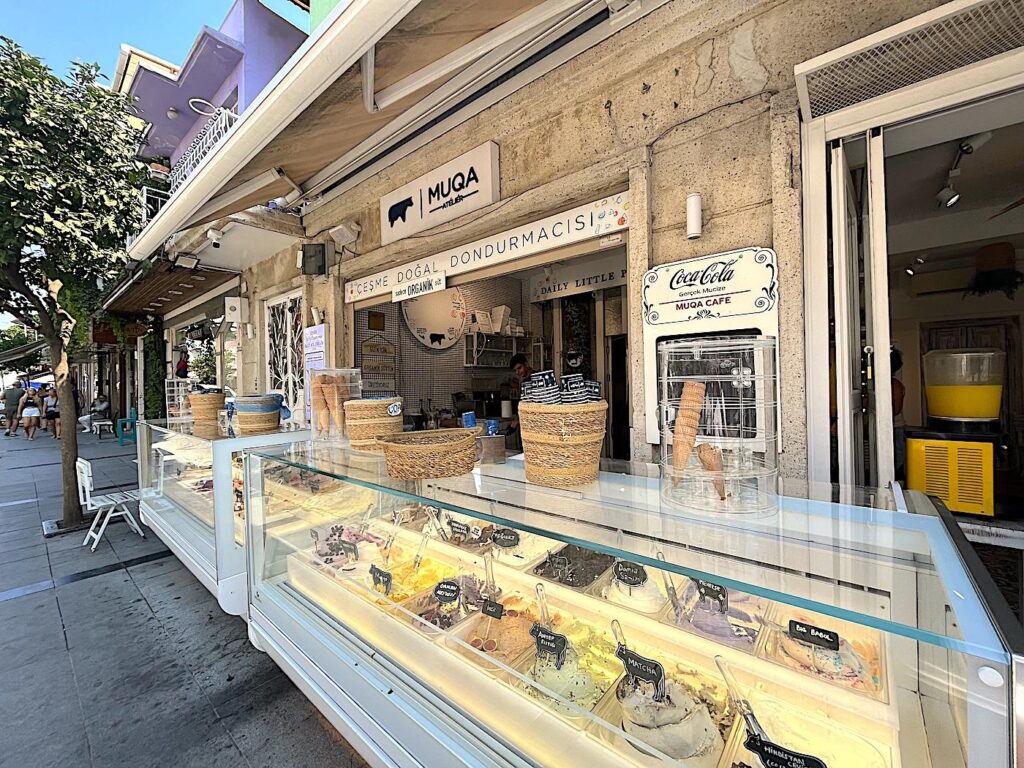
Sakızlı Dondurma takes the beloved Turkish ice cream tradition and gives it a distinctly Aegean twist. Made with goat’s milk, salep (orchid root powder), sugar, and mastic resin, this ice cream is famed for its chewy, elastic texture and herbal aroma. The mastic is carefully pounded before being incorporated into the custard-like base, ensuring even distribution of flavour. Once churned, it yields a dense, stretchy ice cream that melts slowly in the mouth, allowing the mastic’s subtle notes to linger.
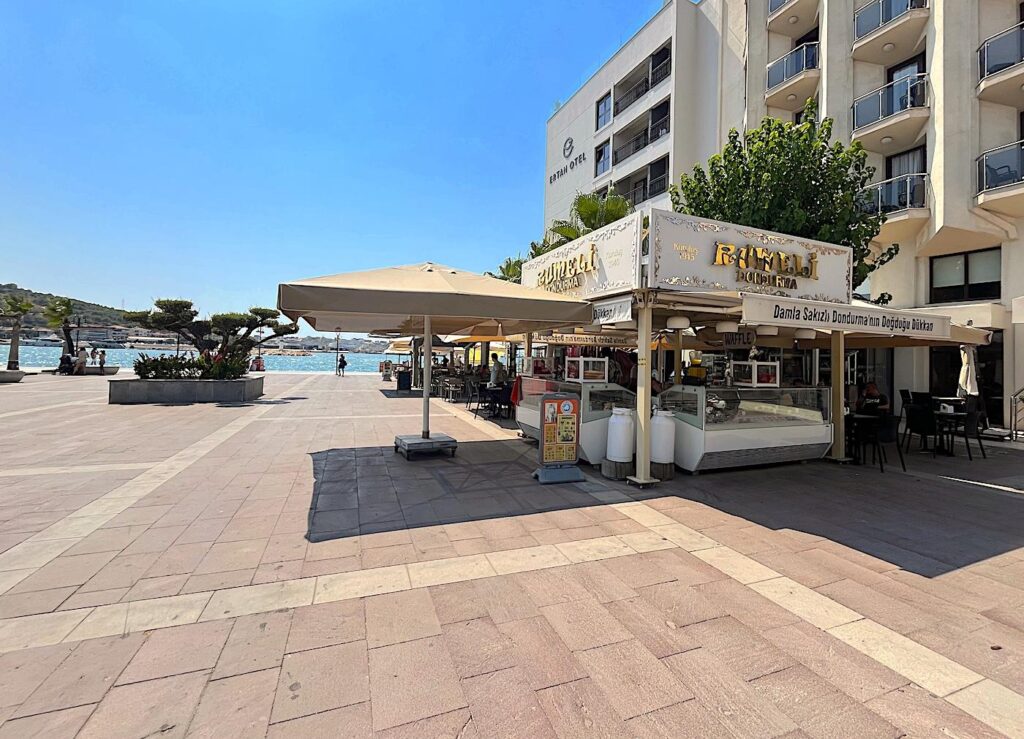
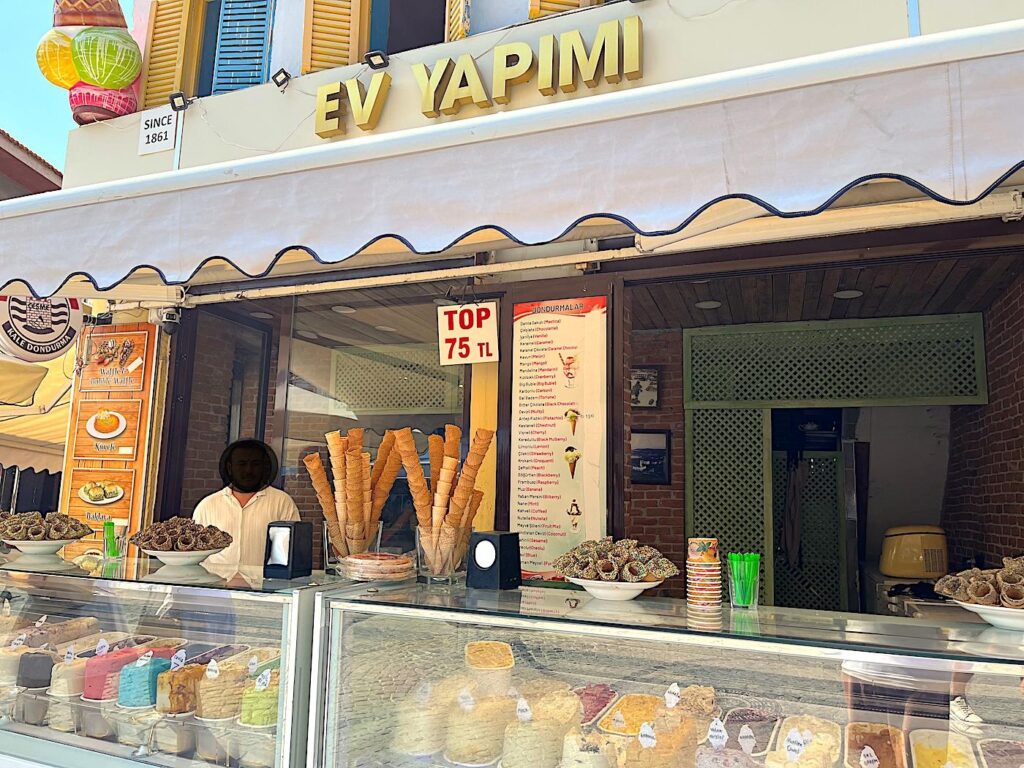
This frozen treat is especially popular in Çeşme’s coastal towns, where gelaterias proudly display signs for “Sakızlı” among their offerings. It pairs beautifully with warm desserts like künefe or can be enjoyed solo in a crisp cone while strolling along the marina. Tourists often leave with fond memories of its unexpected texture and taste, while locals embrace it as a cooling emblem of summer by the Aegean Sea.
Şambali (İzmir Şambalisi) – Star of Turkish Street Desserts in İzmir
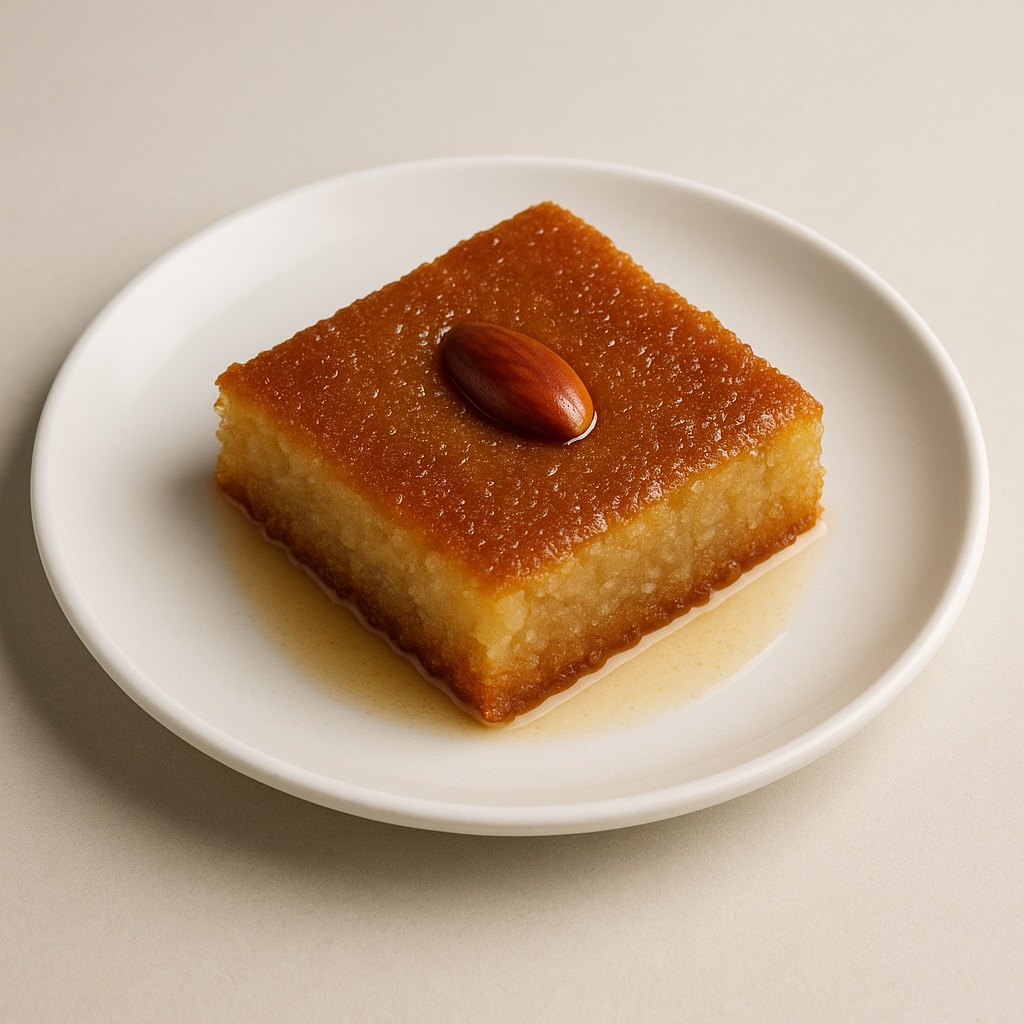
Şambali is one of İzmir’s most emblematic street desserts, with a recipe that has changed little since Ottoman times. It’s made primarily from semolina, yoghurt, and sugar, creating a dense, slightly coarse-textured cake that’s baked until golden. The magic happens after baking, when the cake is soaked generously in a lemon-scented sugar syrup, giving it a moist yet pleasantly chewy bite. Traditionally, each rectangular slice is topped with a single almond, a visual cue that’s as nostalgic as it is appetising.
Found in İzmir’s markets, fairs, and seaside promenades, Şambali is as much about experience as taste. Vendors often serve it still warm from the tray, cutting pieces to order and drizzling on extra syrup if you ask. Its flavor is rich but not overpowering, making it perfect alongside strong Turkish tea. For many İzmir locals, Şambali is a taste of childhood summers and weekend family outings, tying together tradition and comfort in every bite.
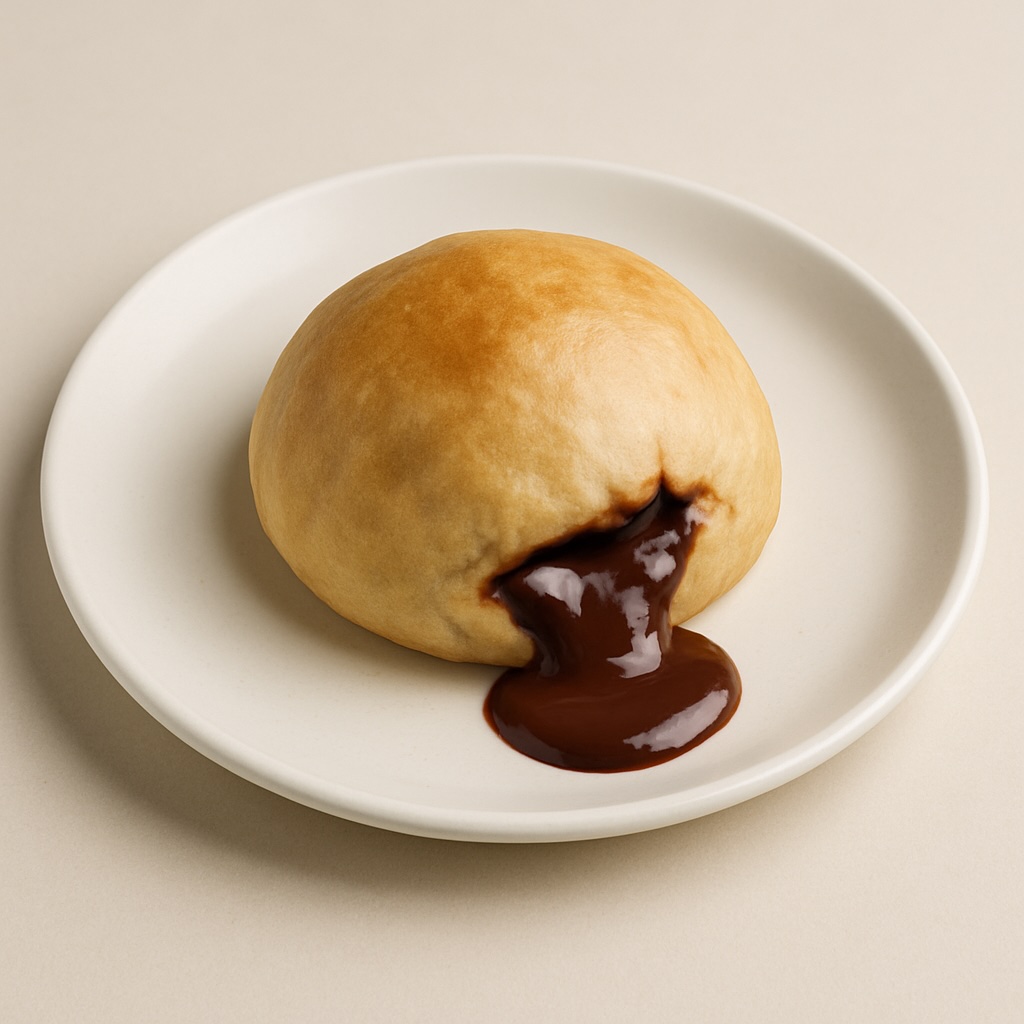
İzmir Bombası – The Molten Chocolate Surprise
The İzmir Bombası is a modern sweet that has taken Tūrkiye by storm, yet it proudly declares İzmir as its birthplace. At first glance, it resembles a simple, lightly browned cookie, but bite into it, and you’re met with an indulgent rush of molten chocolate-hazelnut filling. The outer dough is thin and almost elastic, just enough to contain the warm, flowing core. Its name, “Bomb,” comes from this surprising explosion of flavour and texture when eaten fresh.
The dessert first gained fame in small İzmir bakeries before spreading nationwide, but locals still insist that the original versions in the city have a more delicate dough and richer filling. It’s best enjoyed moments after baking, when the contrast between the crisp exterior and the silky interior is at its peak. Whether paired with Turkish coffee or eaten as a street snack, the İzmir Bombası is the kind of guilty pleasure that inspires long queues outside bakeries every evening.
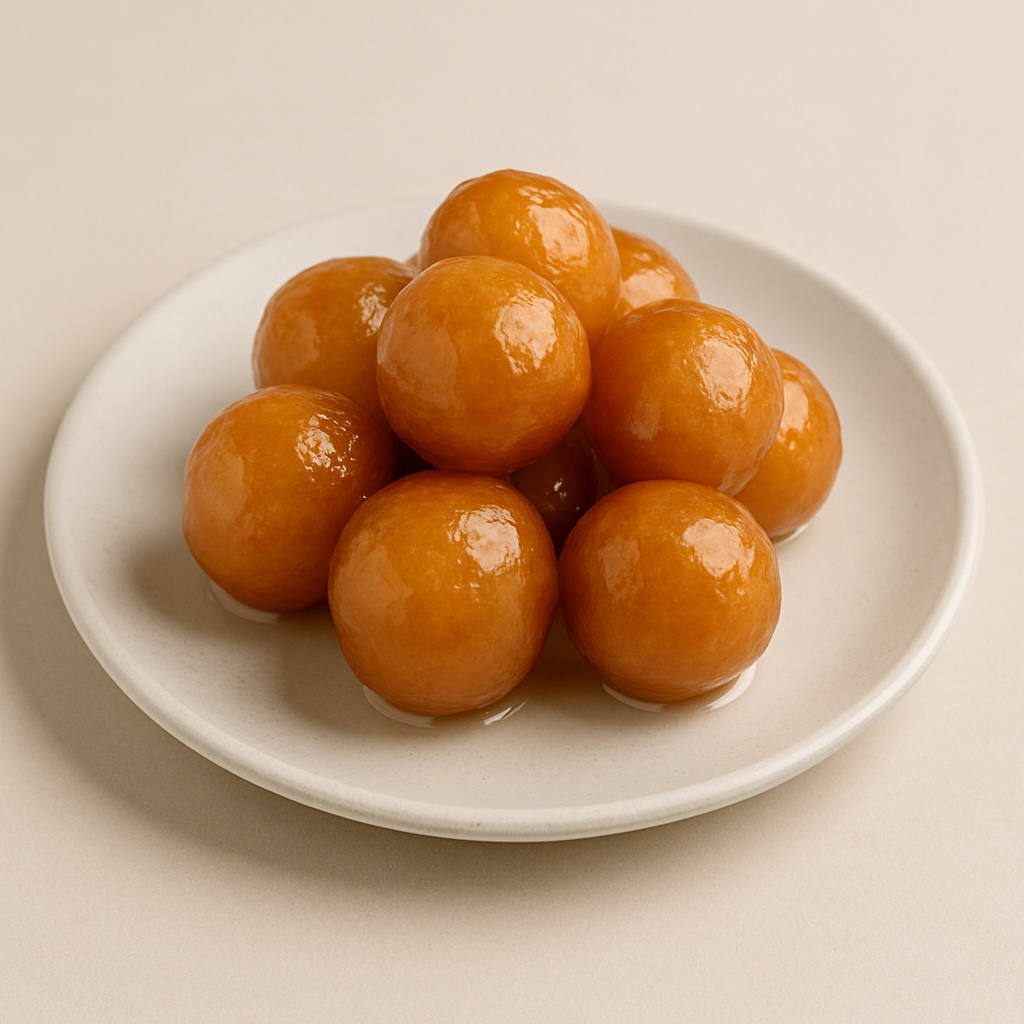
Lokma – Festive Bite-sized, Golden Dough Balls
Lokma is one of the most beloved traditional Turkish sweets from İzmir and has a special place in Çeşme’s street food culture. These bite-sized, golden dough balls are fried until crisp on the outside yet soft inside, then drenched in sugar syrup to create their signature glossy finish. In Çeşme, lokma is more than just a dessert; it’s often given out for free during weddings, religious holidays, and charity events, a centuries-old tradition that turns dessert-making into a communal celebration. Watching a lokma stand in action is part of the experience: vendors drop the dough into sizzling oil with practised precision, scoop out the puffed balls, and immediately coat them in syrup, filling the air with an irresistible sweet aroma.
Visitors looking for authentic Aegean desserts you must try will find that lokma stands often pop up in Çeşme’s marina area, Alaçatı’s cobbled streets, and near the town square during festivals. Many locals insist the best way to enjoy them is fresh from the fryer, when they’re still warm and dripping syrup. Some modern vendors add a twist, offering lokma topped with tahini, cinnamon, or even drizzled chocolate, bringing a contemporary flair to this centuries-old treat.
Boyoz – A Sephardic Pastry with an İzmir Soul
Boyoz is İzmir’s legendary breakfast pastry, introduced by Sephardic Jews who settled in the city in the late 15th century. Made from a simple flour-and-oil dough, the pastry is rolled and folded repeatedly to create whisper-thin layers, then shaped into small rounds before baking. The result is a light yet rich puff with a subtle nutty taste from the oil, often sunflower or tahini-infused. Though traditionally plain, Boyoz pairs perfectly with a side of boiled eggs, İzmir’s morning ritual for generations.
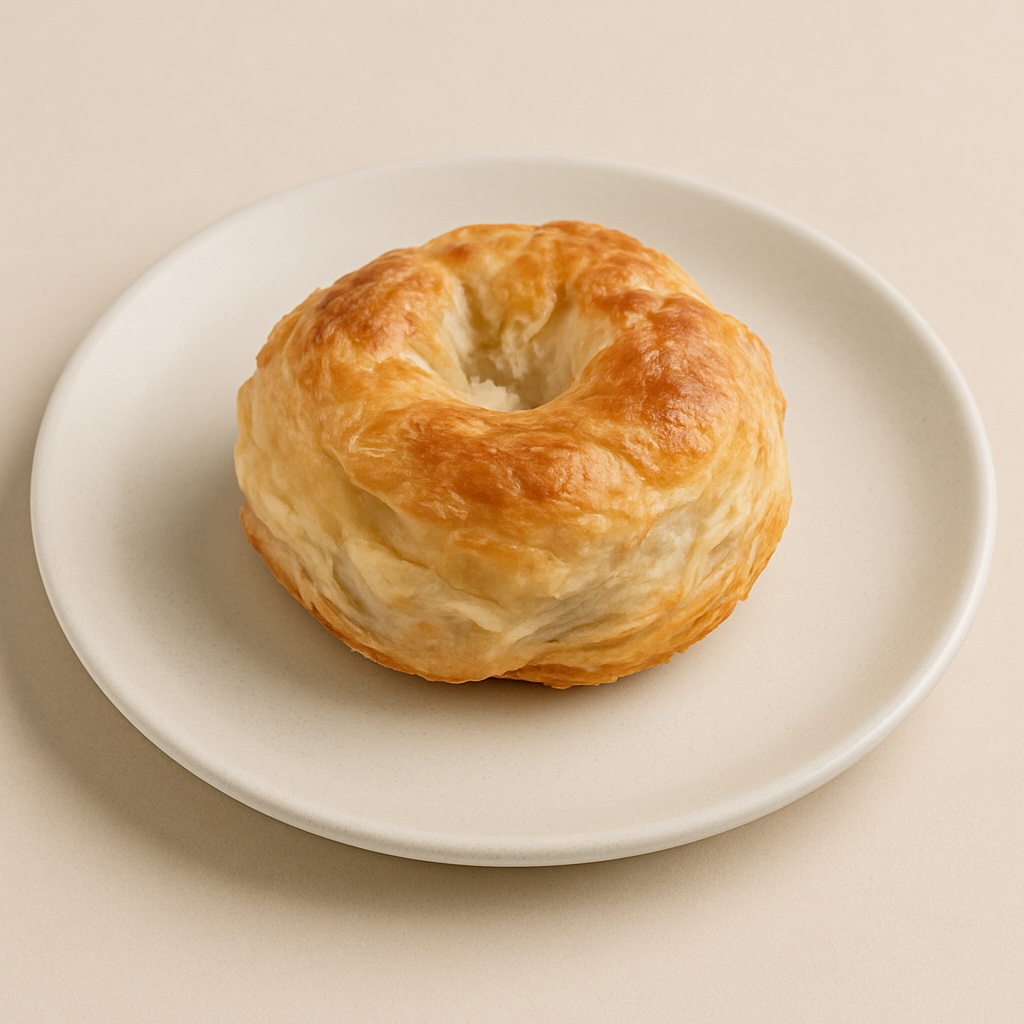
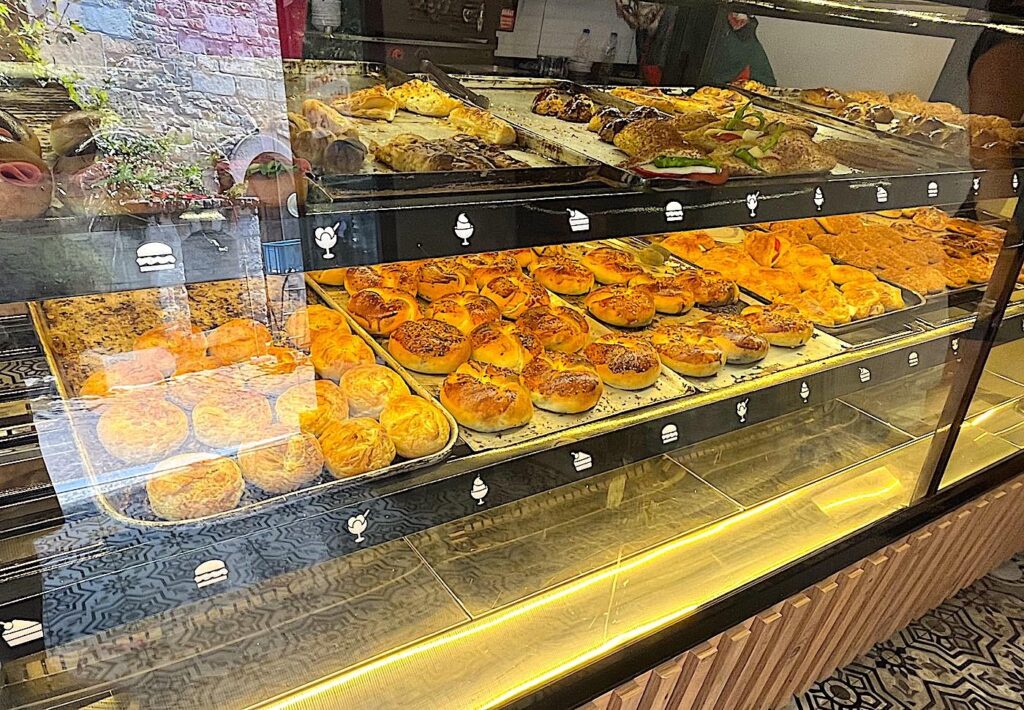
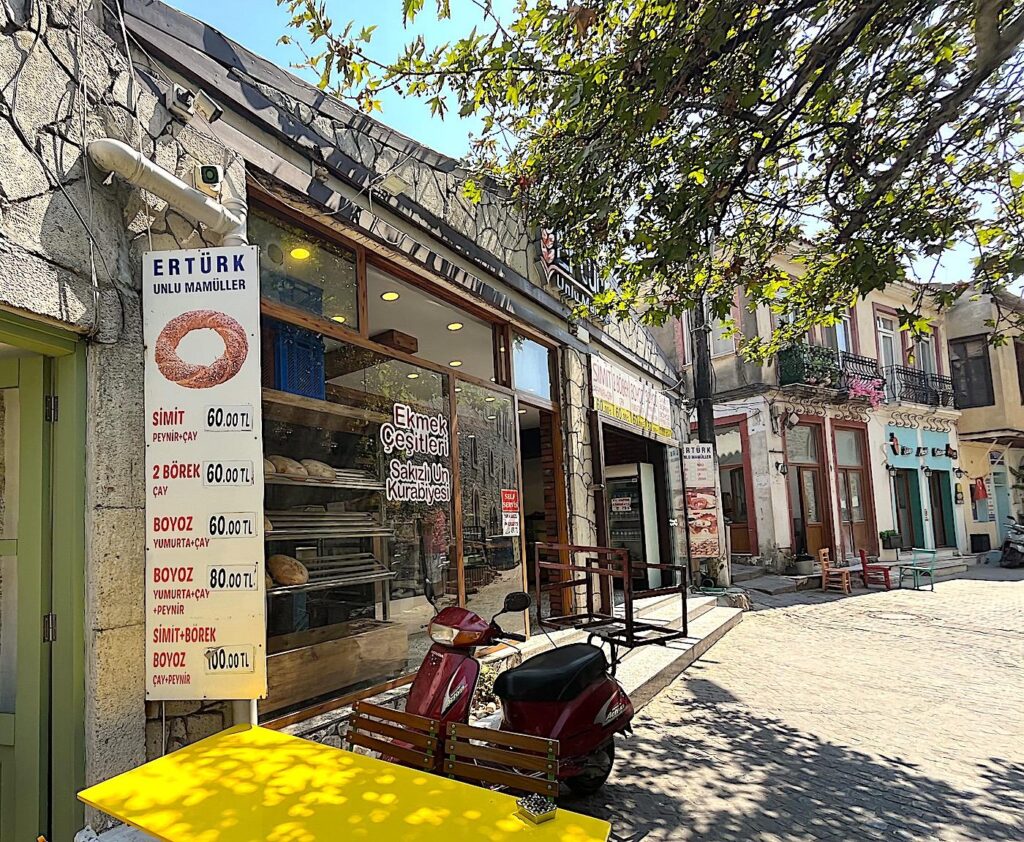
While Boyoz isn’t overtly sweet, its delicate layers and toasty flavour make it a versatile pastry that works with both savoury and sweet accompaniments. Some modern bakers in Çeşme and İzmir have begun filling them with chocolate, cheese, or tahini-sugar blends, offering a more dessert-like experience. Whether eaten at a bustling seaside café or bought from a street vendor, Boyoz is a pastry that’s as much a symbol of İzmir identity as it is a breakfast staple.
Where to Eat the Best Desserts in Çeşme
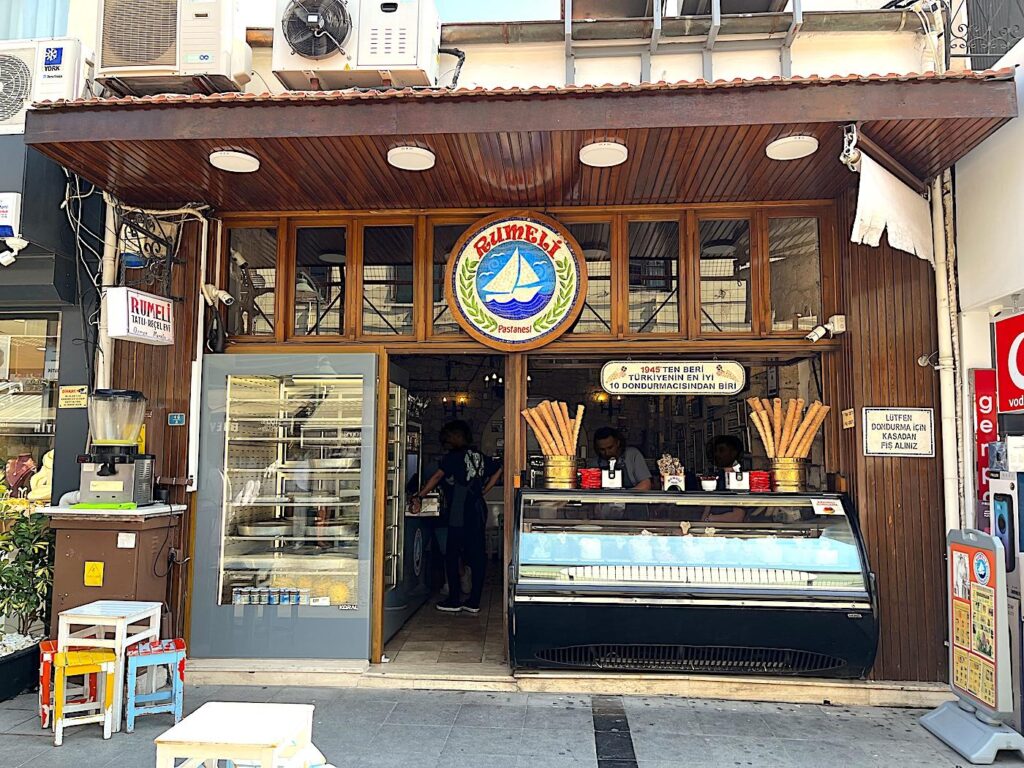
From seaside patisseries to hidden village cafés, Çeşme offers plenty of sweet stops where you can sample the region’s most iconic treats. Whether you’re chasing syrup-soaked Şambali, biting into a molten İzmir Bombası, or cooling off with chewy Sakızlı Dondurma, these local favourites showcase the full flavour of the Aegean. The table below highlights the best spots in town to find each dessert, some year-round, others only in festive seasons, so that you can plan your tastiest route through Çeşme.
| Dessert | Where to Eat? |
|---|---|
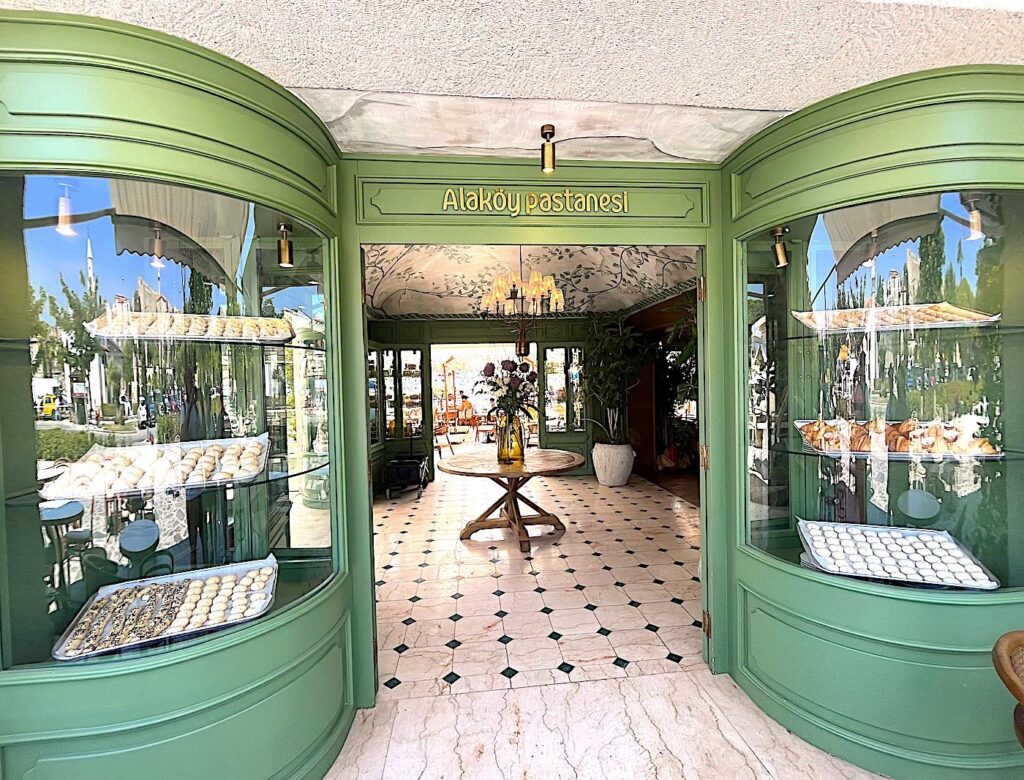
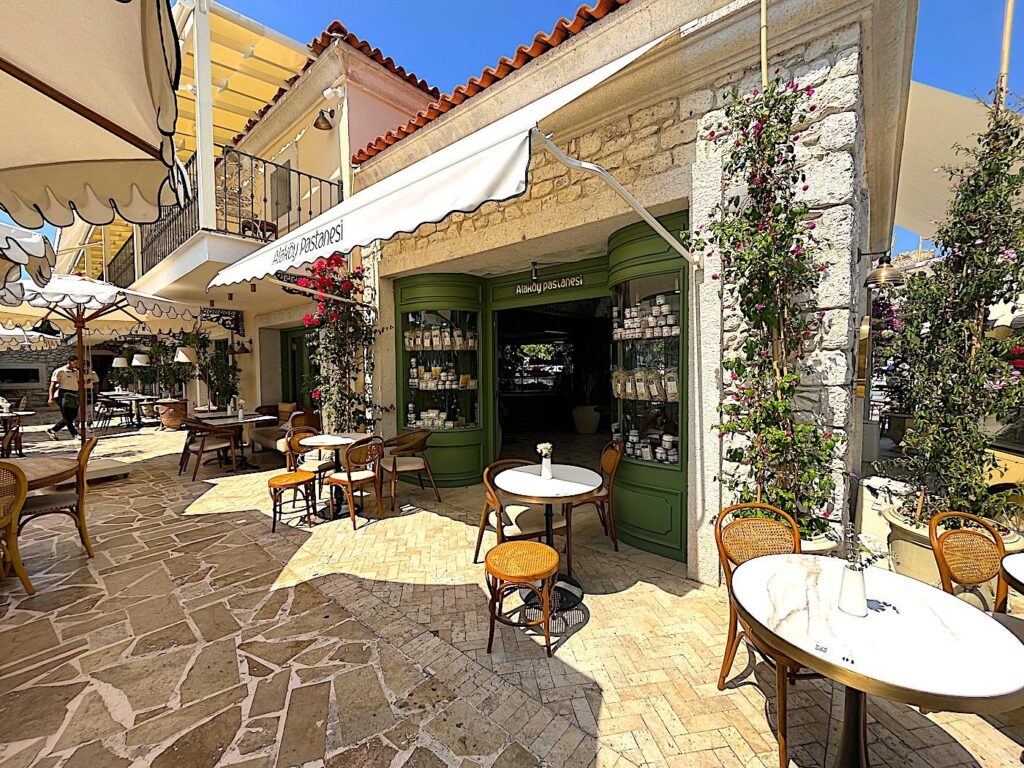
| Sakızlı Muhallebi | Rumeli Pastanesi or Alaköy Pastanesi (Çeşme Marina) |
| Sakızlı Dondurma | Rumeli Pastanesi; Café Vittoria; Muqa Café |
| Şambali | Rumeli Pastanesi; or take a short trip to İzmir’s Meşhur Hisarönü Şambalicisi |
| Lokma | Look out for Lokma stands/vans that often pop up at the end of Çeşme’s high street, Alaçatı’s cobbled streets, and near the town square during festivals |
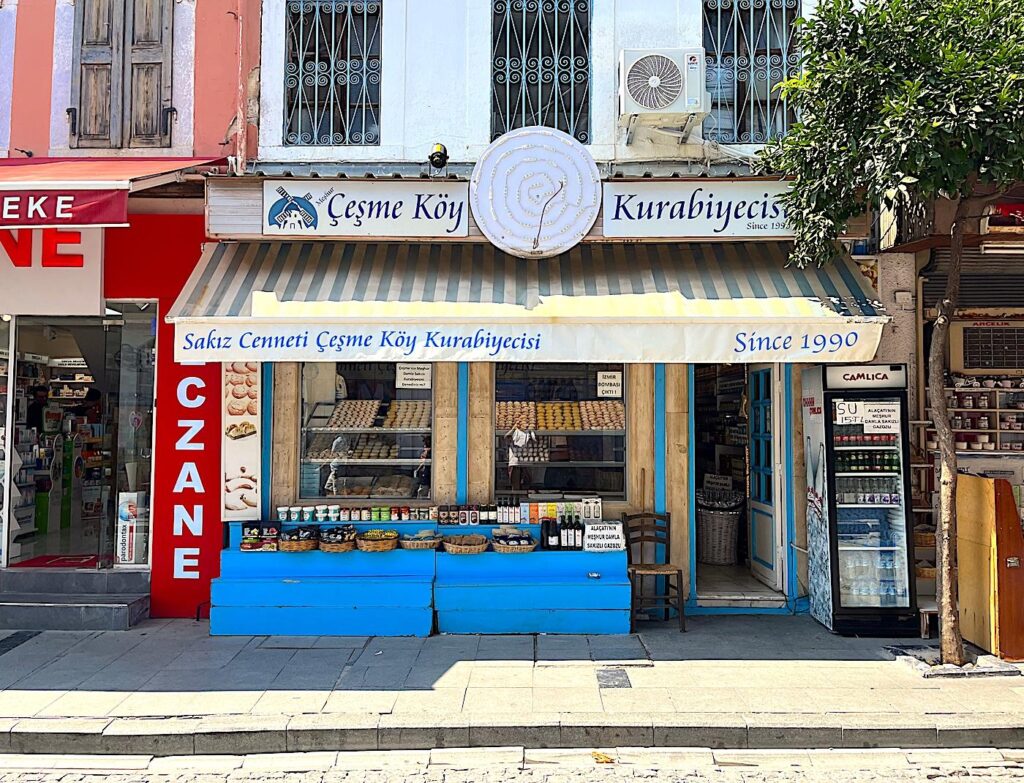
| İzmir Bombası | Ask at local Çeşme bakeries such as Ertürk Ekmek ve Unlu Mamülleri or Çeşme Köy Kurabiyecisi (Çeşme Village Cookie Shop) |
| Boyoz | Sought in select breakfast cafés in Çeşme/Alaçatı, including Ertürk Ekmek ve Unlu Mamülleri on Çeşme High Street |
History of Sephardic Desserts in İzmir Province
The Sephardic influence in Aegean desserts, especially in İzmir and by extension Çeşme, traces back to the late 15th century, when the Spanish crown expelled Jews from Spain in 1492. The Ottoman Empire, under Sultan Bayezid II, welcomed tens of thousands of these Sephardic Jews, granting them refuge in port cities like İzmir, Salonica (Thessaloniki), and Istanbul. İzmir, already a thriving Aegean trading hub, became one of the largest Sephardic communities in the Eastern Mediterranean.
These new arrivals brought with them centuries-old Iberian culinary traditions, which fused over time with local Ottoman, Greek, and Levantine tastes. Many of their pastries and sweets used techniques familiar from Spain, laminated doughs, oil-rich pastries, and nut fillings, but adapted to local ingredients like tahini, grape molasses, and mastic. Boyoz is the most famous example: its name comes from the Ladino word bollos (buns), and while it started as a savoury bread roll in Spain, in İzmir it became a flaky, layered pastry baked without yeast. Other influences include the use of almonds, sesame, and subtle spice blends, which became part of the Aegean dessert repertoire and are still visible in bakeries today.
See also: LikeCesme.com – Mastic (Damla Sakızı)
See also: LikeCesme.com – Sherbet (İzmir Şerbeti)