Many visitors come to Çeşme every year for its beaches, sunshine, and summer atmosphere, yet very few know the true Cesme name meaning. Even many residents are unaware that the town’s name is directly linked to its Ottoman water heritage and centuries-old fountains and springs that once defined its identity.
The word “Çeşme” means “fountain” or “spring” in Turkish, a reminder that long before it became a modern holiday destination, Çeşme was famous for its healing waters, public fountains, and thermal springs. These waters were integral to daily life, trade routes, and health tourism, dating back to Greek and Roman times.
“Çeşme” means “Fountain”
By understanding the meaning of Çeşme’s name, we uncover the deep history and cultural story behind this Aegean town, from its place on medieval portolan charts to its role as one of Türkiye’s most celebrated spa destinations. This hidden layer of heritage connects Çeşme to a broader tradition of European spa towns, such as Spa in Belgium, Baden-Baden in Germany, and Bath in England.
The Meaning of Çeşme
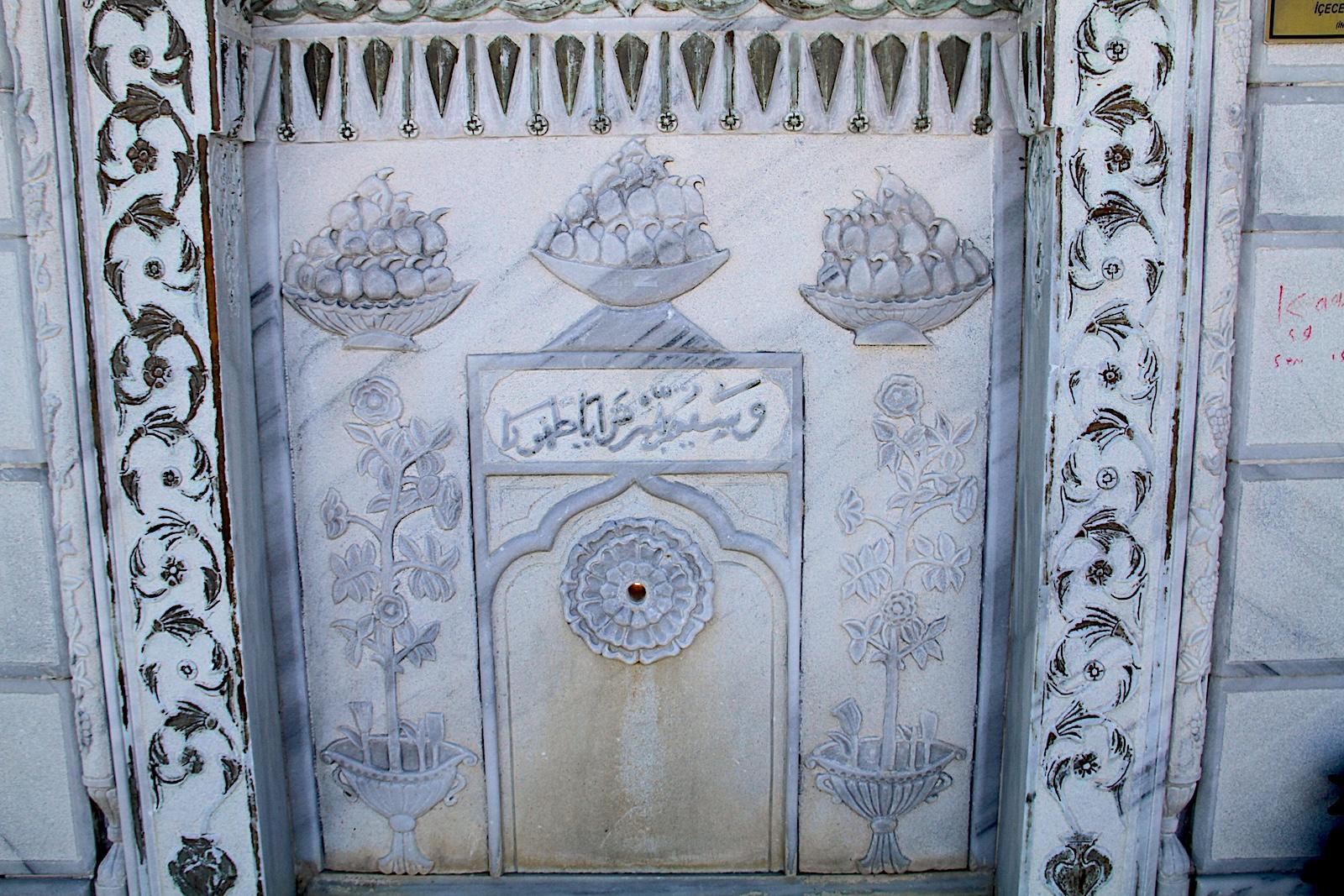
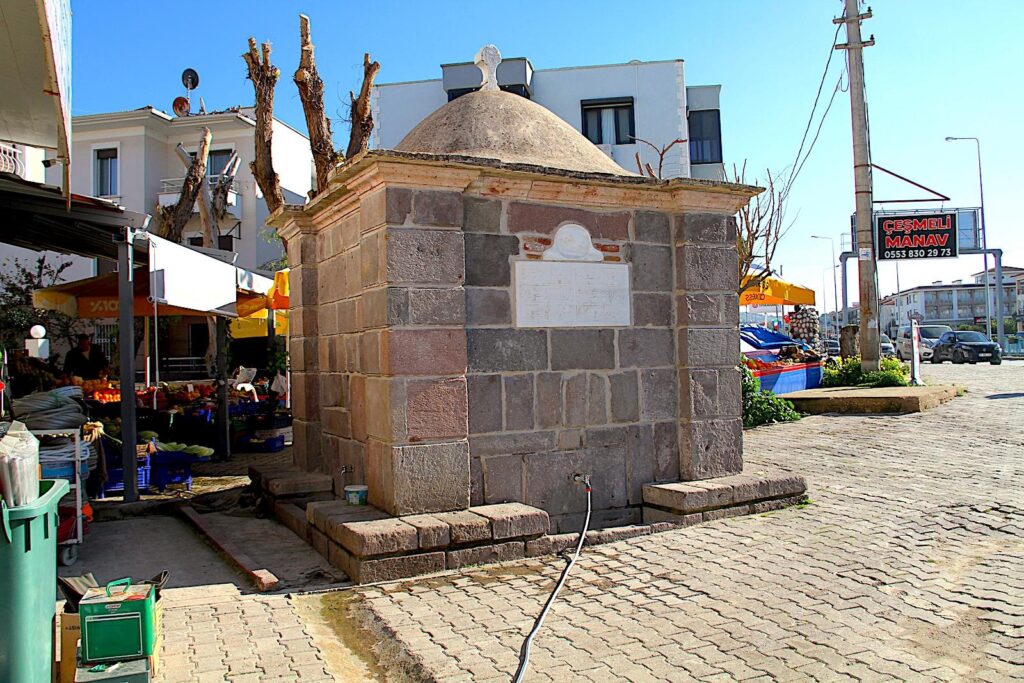
The official name of the town is Çeşme, pronounced “CHESH-meh.” In Turkish, the word “çeşme” means fountain or spring; a source of fresh, flowing water. Historically, fountains have been central to life in Ottoman and Turkish towns, providing water for drinking, gathering, and social connection. They were also built as acts of charity, beautifully decorated, and often placed in prominent locations such as mosques, squares, and along roadsides.
In modern Turkish dictionaries, “çeşme” is defined as a stone or marble structure, usually built into a wall, with a tap. This name reflects Çeşme’s profound and enduring relationship with water, both the natural springs that flow beneath the land and the elegant fountains that gave the town its name.
See also on LikeCesme.com – Fountains of Çeşme
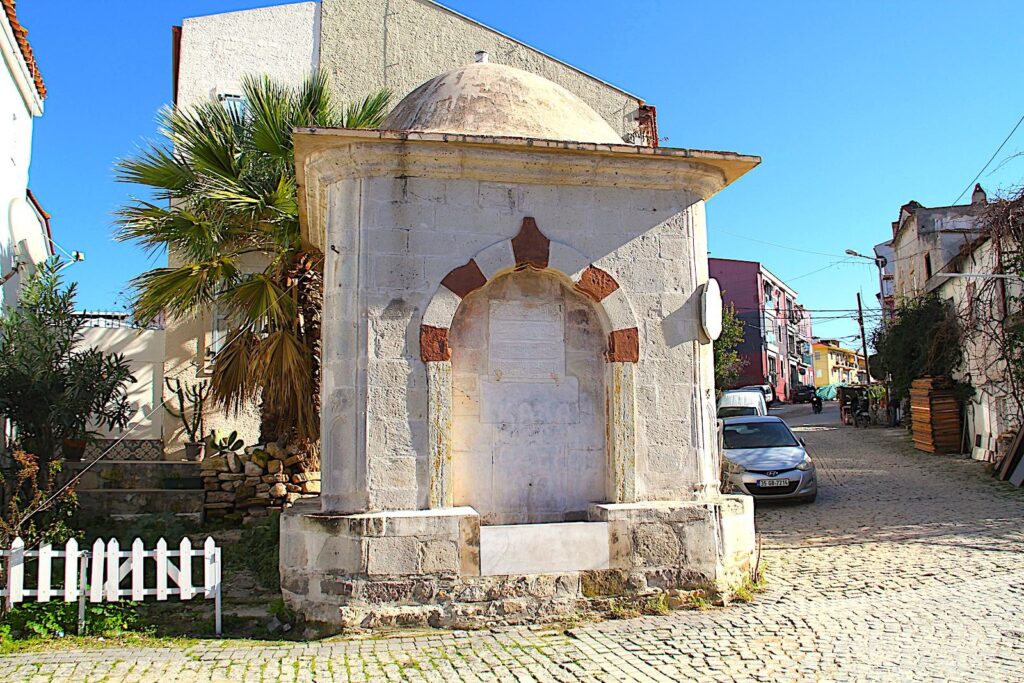
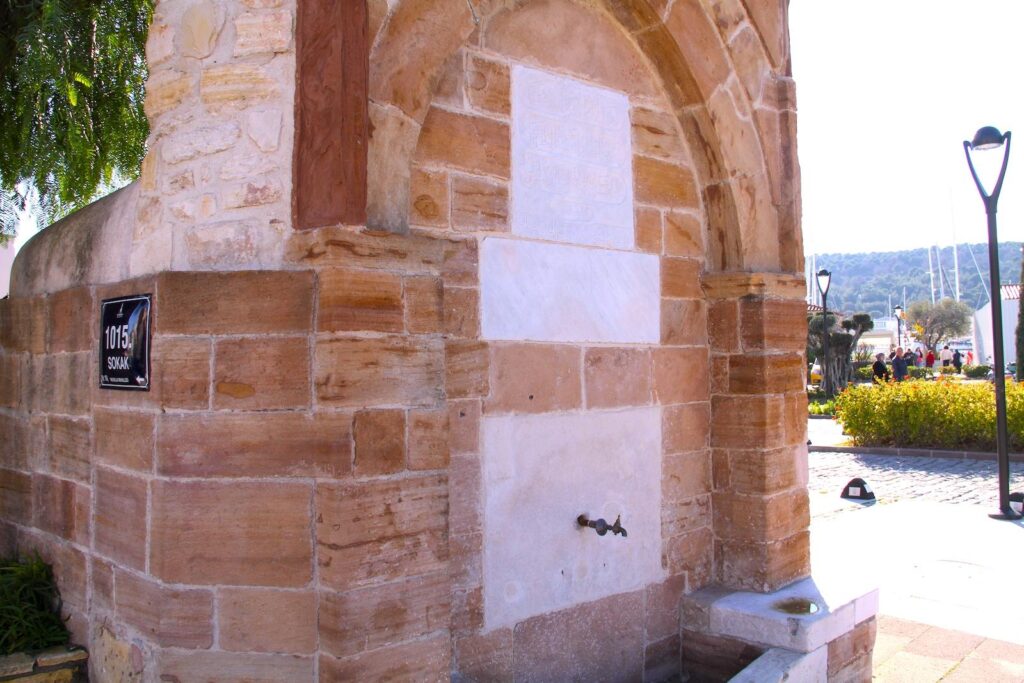
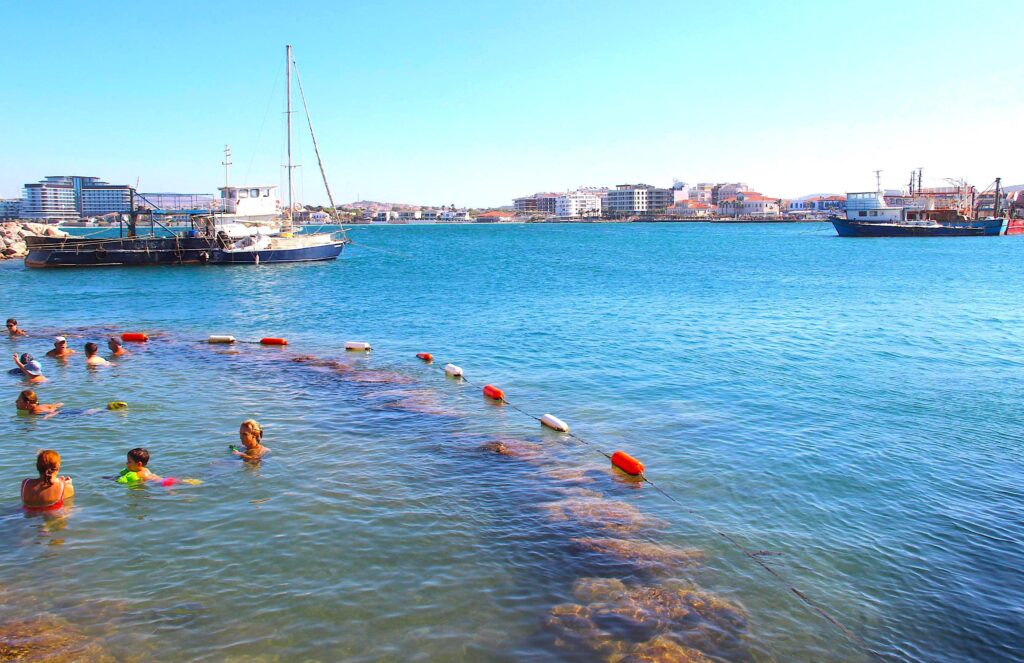
Etymology of the Name
The name Çeşme originates from Ottoman Turkish, but its recorded history extends far earlier through Genoese, Venetian, and Latin sources. As a coastal settlement and maritime landmark, the town appeared on maps created by European sailors and traders navigating the Aegean Sea.
In Genoese portolan charts from around 1375, the town was marked as “Cysme.” By the 15th century, Venetian charts referred to it as “Chesme” or “Cisme.” In Latin texts, the word “Fontana” — meaning “fountain” — was used as an equivalent. These foreign spellings reflected the sounds of the local name as traders, sailors, and mapmakers heard it. They reveal how Çeşme was not just a place, but a point of reference for navigation and trade, recognised across cultures for its fresh water and its position opposite the island of Chios.
Historical Use of the Waters
Long before Çeşme became a modern summer resort, its waters defined its character and economy. In Ancient Greek and Roman times, the region was renowned for its springs and thermal waters, which were utilised for drinking, ritual bathing, and therapeutic purposes. Thermal springs were considered sacred and were often places of gathering, worship, and rest for travellers.
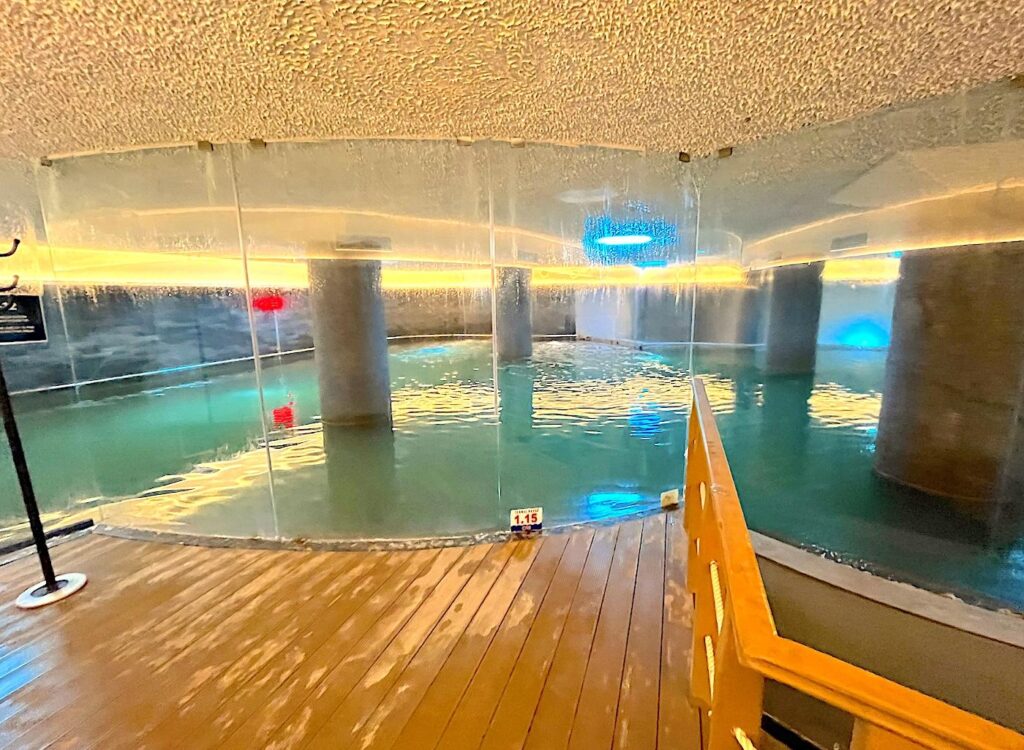
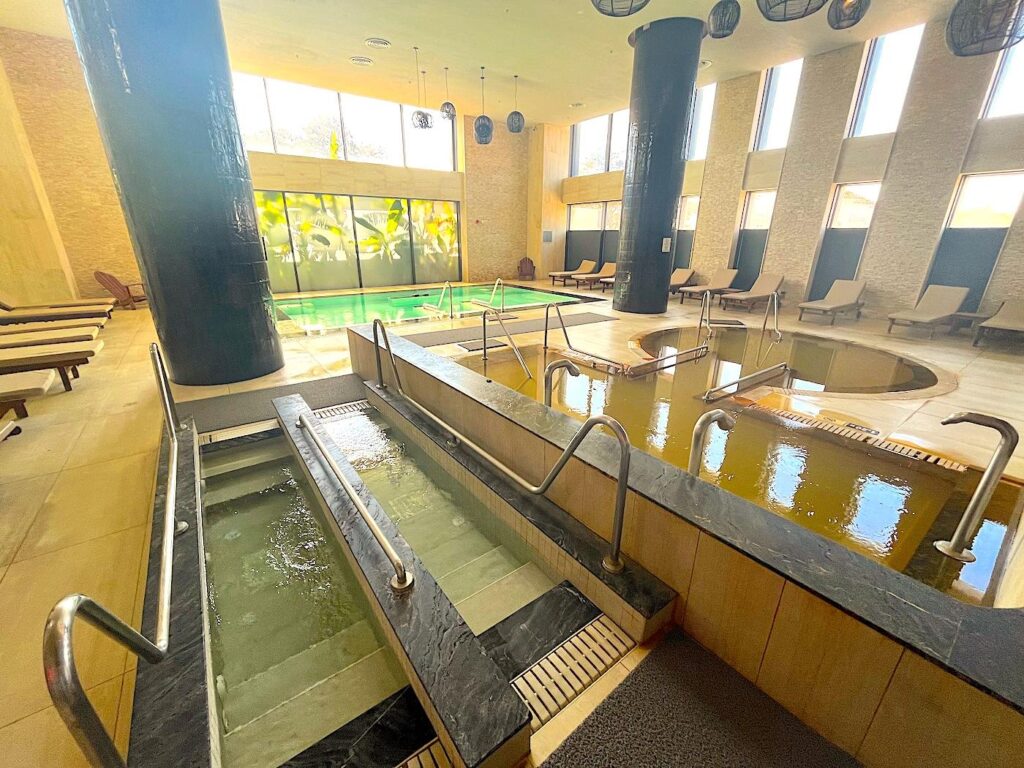
The hot springs of Şifne, whose name is rooted in the word “healing,” and the warm waters of Ilıca have been used for thousands of years. Archaeological and historical evidence suggests that these sites were already visited in antiquity by those seeking relief from ailments and the restorative powers of mineral waters.
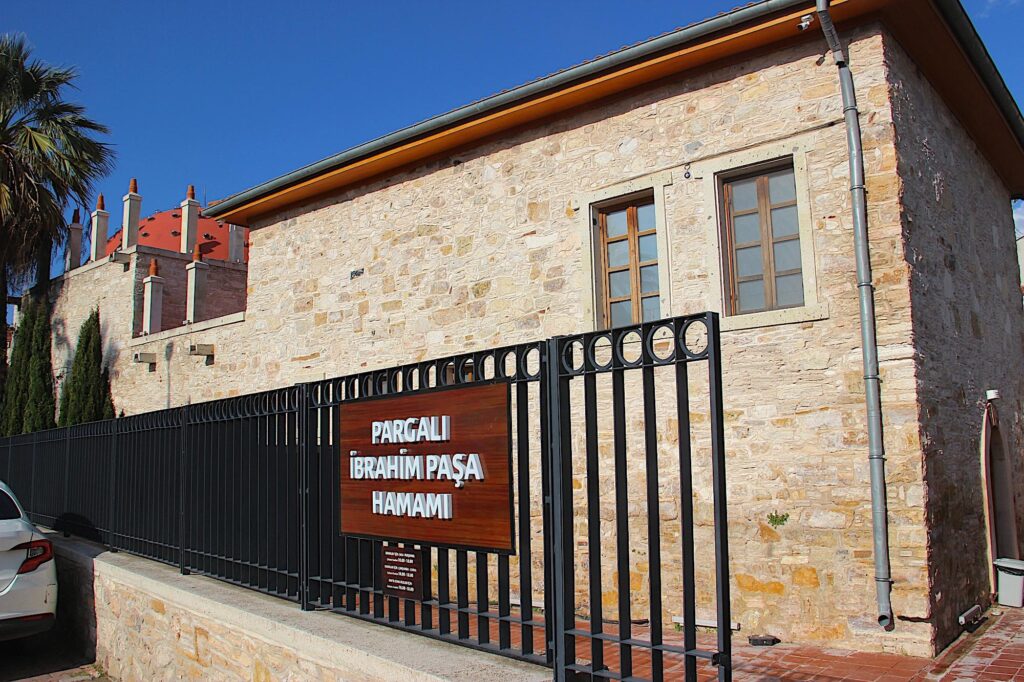
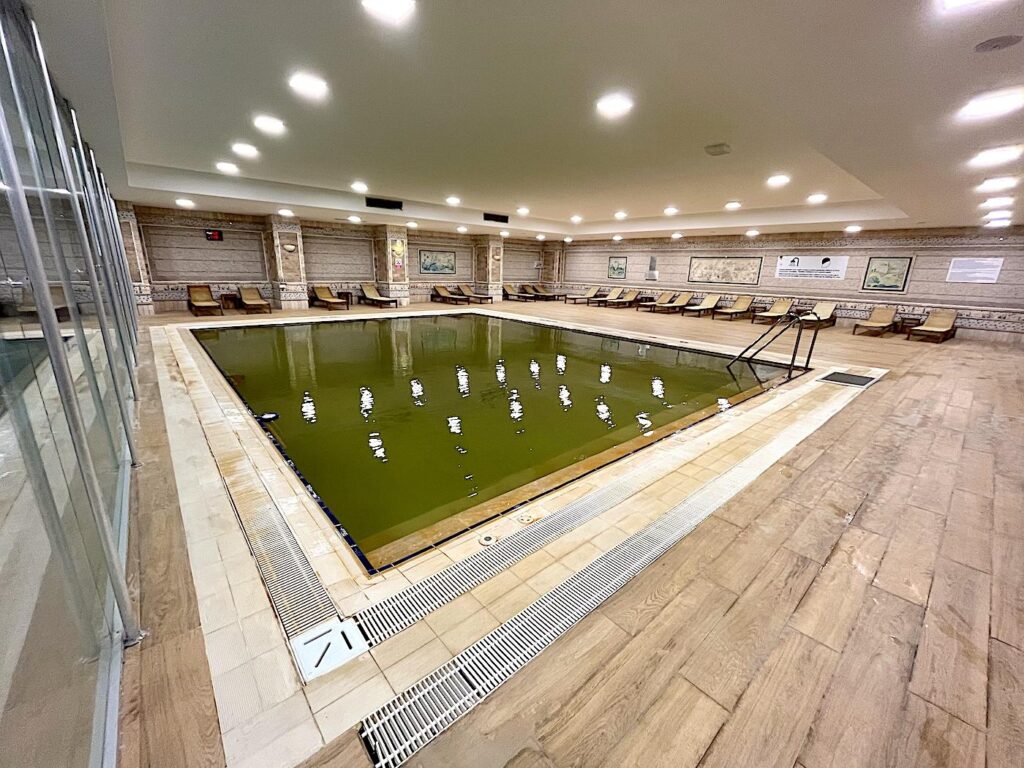
During the Ottoman and early Republican periods, Çeşme continued to flourish as a spa destination. Visitors from İzmir, other parts of Turkey, and abroad came to bathe in the thermal waters and enjoy the clean air of the peninsula. Small bathhouses, pensions, and guesthouses were built near the springs, and the town was known as a place of health and rejuvenation.
In the 1960s, Çeşme’s tourism focus began to shift. As transport links improved and new lifestyles emerged, the emphasis moved away from health and spa tourism toward beach and summer holidays. The Aegean’s clear turquoise waters became the new draw, and Çeşme grew into one of Türkiye’s most famous summer resorts. Even so, traces of its spa tradition remain alive today, especially at Ilıca’s thermal beach and Şifne’s hot springs, which still attract locals and visitors alike.


Historical Spellings and Timeline
The earliest Western record of the name appears on Francesco Beccari’s 1375 portolan chart as “Cysme.” In 1467, Grazioso Benincasa’s Venetian chart listed it as “Chesme,” and later maps from the 16th century, including those by Ortelius and Blaeu, used “Chesme” or “Cisme.” Ottoman records, including tahrir registers, consistently referred to the town as “Çeşme.”
These variations are simply different ways of transcribing the same word. They show how the town’s name travelled across languages and centuries, remaining remarkably stable in meaning, always linked to water.
Çeşme and Other Towns of Water
Çeşme is part of a long tradition of towns named after water. Locally, its neighbouring settlements reflect the same heritage. Ilıca, historically Nidja, means “warm spring” in Turkish, while Şifne comes from a word meaning “healing.” These places have been associated with water and wellness for centuries.
Across Europe, similar examples abound. Spa in Belgium gave its name to the modern word “spa.” Baden-Baden in Germany literally means “Bath-Bath.” Bath in England is famous for its Roman baths. In Greece, towns with names like Therma or Loutra are directly linked to ancient springs. Çeşme fits naturally into this wider map of spa towns, where water has defined identity, economy, and daily life.
Why the Name Matters
The name Çeşme tells a story that stretches across time. It speaks of fountains built in Ottoman streets, of hot springs visited by sailors and pilgrims in ancient times, of healing waters that once drew travellers from afar, and of a seaside town that still carries this legacy even as its focus has shifted toward sun and sea.
To understand Çeşme is to understand water. Its name is a living reminder that this beloved Aegean destination was once known not just for its beaches but for its fountains, springs, and healing waters, and that this heritage continues to shape its identity today.